 Since I've been writing a lot lately and posting pictures of the various vining plants we have here, I thought I'd provide a little background about the incredible diversity of our cultivated members of the convovulaceae family growing in our garden. From the common Morning Glory, to the increasingly popular "Sweet Potato Vine" to the more exotic looking "Spanish Flag" and "Cardinal Climber," and including the delightful "Bush Morning Glory," all of these varied vining type plants are members of the large genus of Convolvulaceae. Though the genus also comprises a good number of particularly vexing weeds ("Bindweed" is perhaps the most pernicious), there are many species who make colorful contributions to climbing situations in the garden, whether it be a fence or a trellis or in our case, an old jungle gym in the back yard. So I thought I'd just compile a short entry to re-introduce our favorites that are currently blooming their hearts out in our garden.
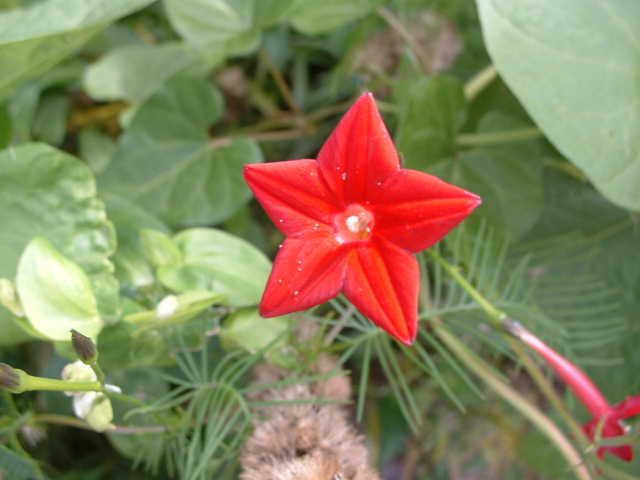
First off is Ipomoea quamoclit, or "Cardinal Climber" as it is most commonly known, another vigorous grower though its dainty, star-shaped flowers are perhaps the most diminutive of the familiy, rarely surpassing perhaps one inch in diameter. Its distinctive "ferny" foliage is somewhat deceptive, as it is anything but delicate ... in fact it's been over 4 years since we've planted these and they return every year, often in inconvenient spots, but we rarely have the heart to pull them up, because their flowers are so pretty and provide even more food for our friends the Hummingbirds, who are attracted by their bright red blooms. Give this one the right support and you will be rewarded with masses of flowers ... and the butterflies and hummingbirds will visit you, thanking you for providing them with sustenance.
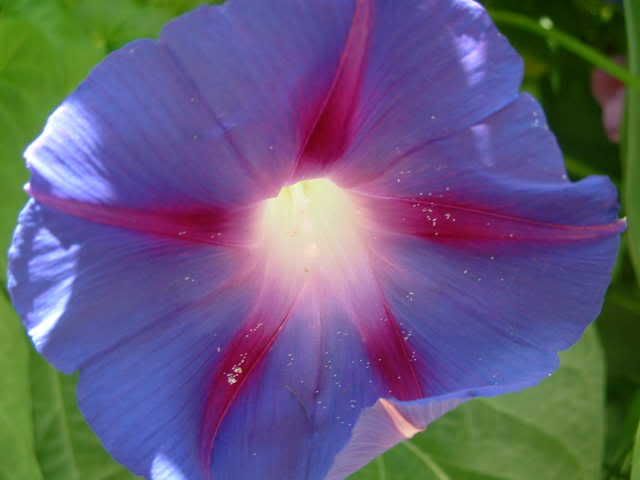
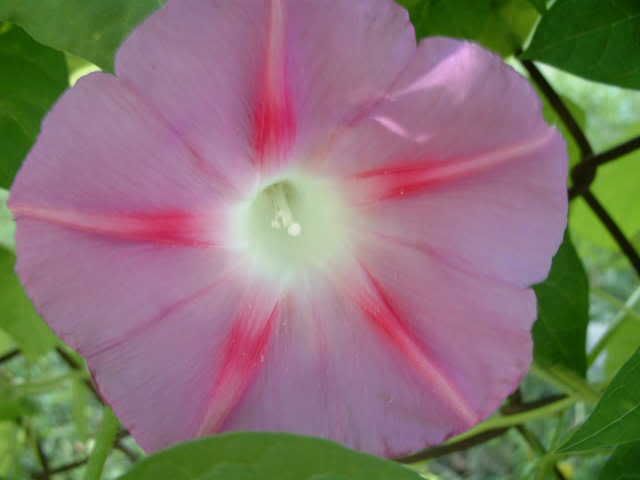
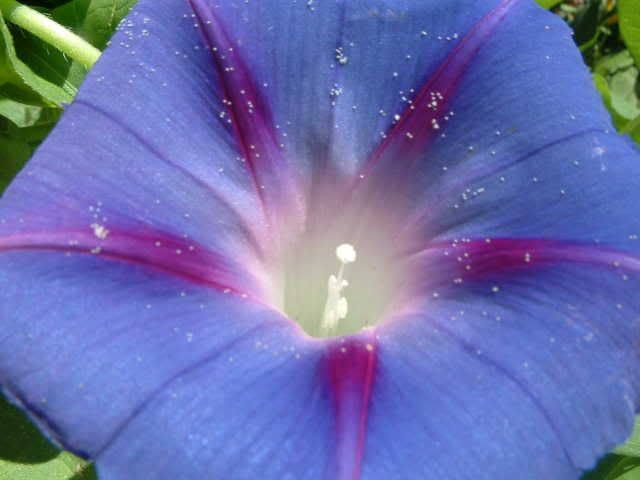
Next up is the common Morning Glory (Ipomoea imperialis, v. "Grandpa Ott") which you may remember from a post a few weeks back. This gorgeous purple cultivar is second only to the "Heavenly Blue" in our esteem, and though the blues we planted this year mysteriously refused to show themselves, we have plenty of these currently gracing the fence along the sidewalk. Of course, as anyone who has ever grown Morning Glories knows, they self seed with a vengeance and can become as weedy as their more undesirable cousins ... but if something has to achieve weed status, you couldn't ask for a more sumptuous shade of purple!
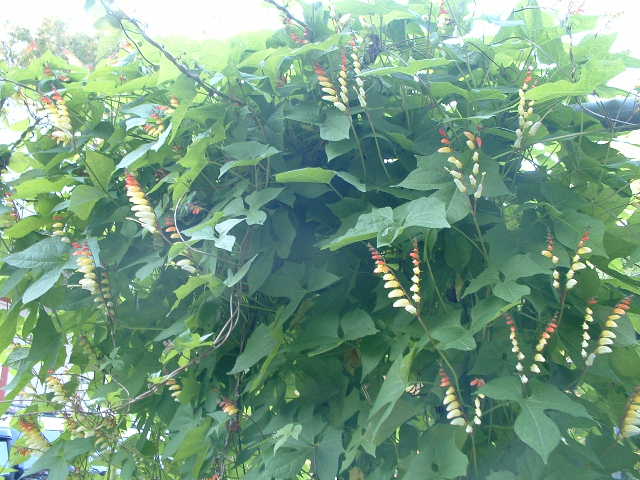
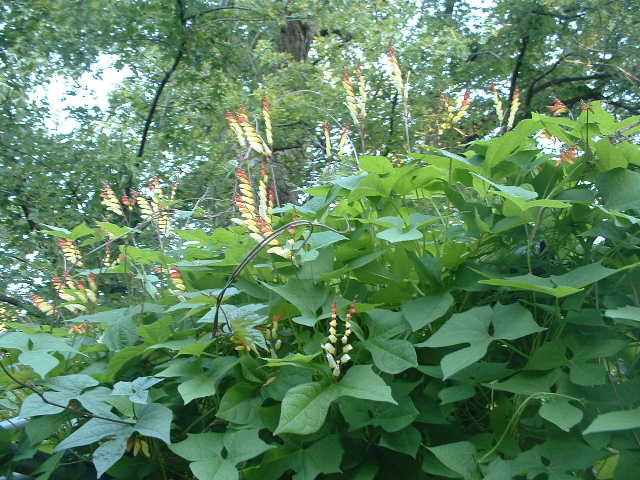
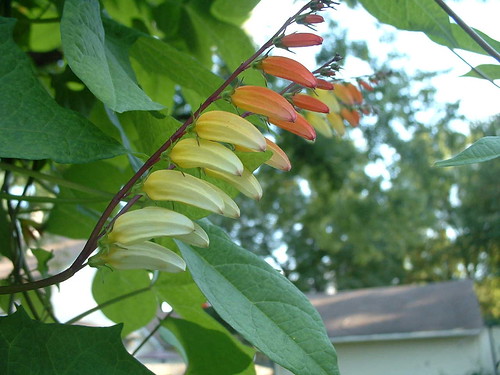
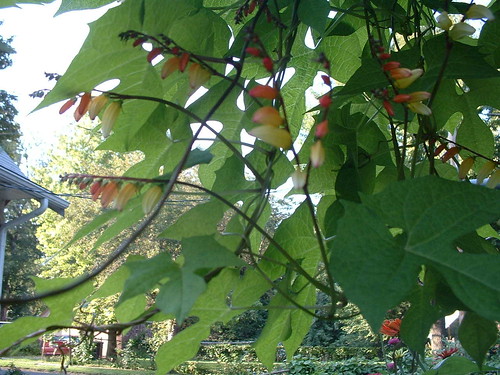
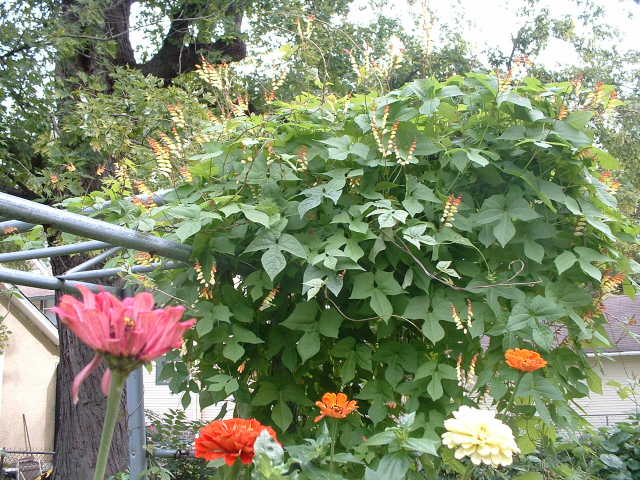
Following Grandpa Ott, we have another shot of Mina Lobata ("Spanish Flag") that I got this afternoon ... if you're not yet familiar with its particulars, see my previous two posts concerning this exciting member of the family.
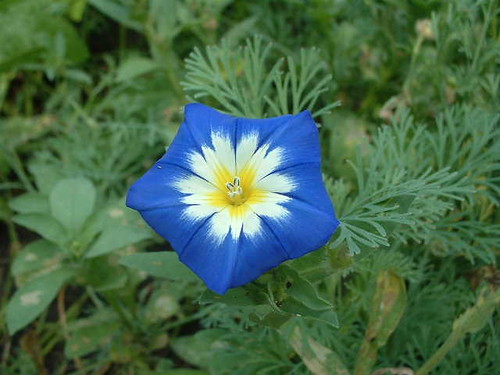
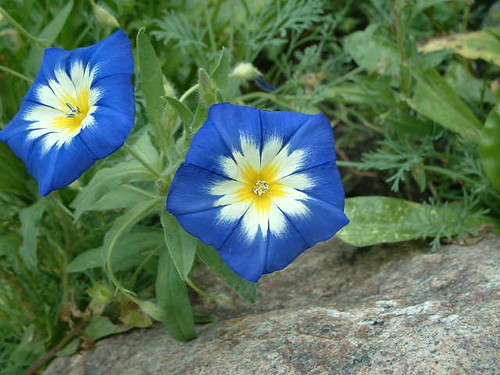
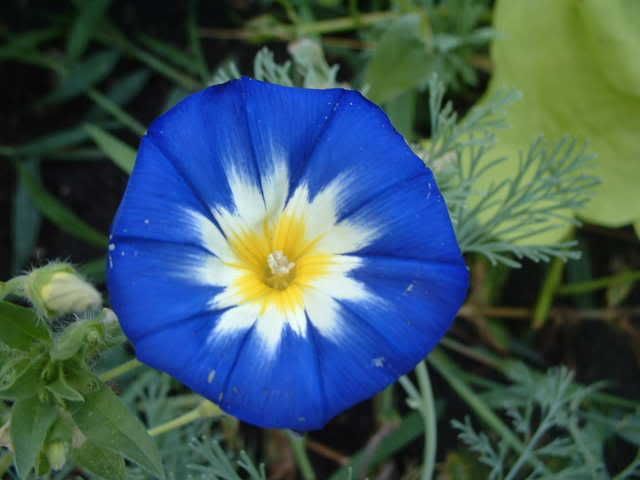
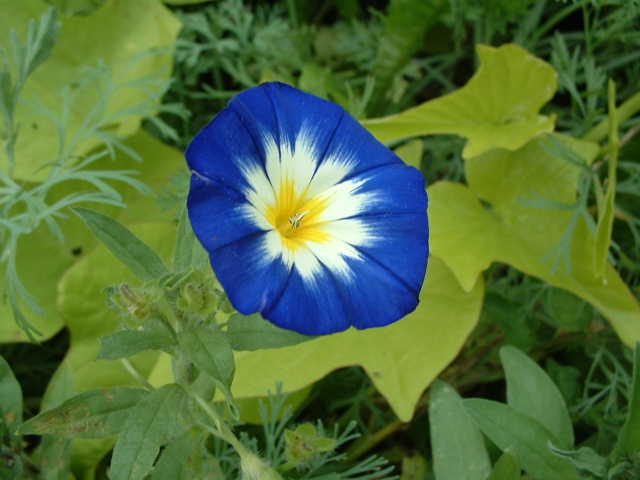
Fourth up is another you are probably familiar with from seeing it here recently, Convolvulus tricolor or "Bush Morning Glory," the smallest of the family members we have planted in the garden. This diminutive cousin of the Morning Glory never reaches more than 6-8 inches in height and tends to grow in a more clumping mass than twining as its larger cousins do. This particular variety, "Blue Ensign," is by far our favorite of the group, though it also can be found in varying shades of purple, pink and white. As with most of the convolvulaceae, cultivation is relatively simple, just lots of sun and soil that is not too fertile ... though we have found that you really need to get Convolvulus in the ground as early as possible to ensure a long bloom season, as it's a bit longer to get going than common Morning Glories. Give these cheerful flowers a sunny spot of their own, plant them en masse and enjoy the waves of blue while they last ....
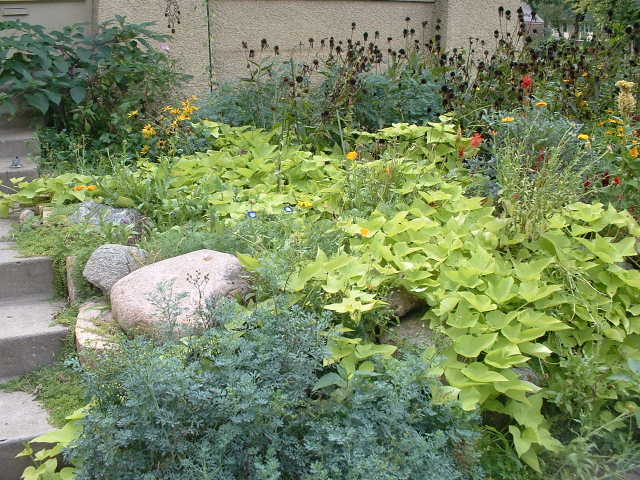
And finally, perhaps one of the oddest members of the family, Ipomoea battata, aka: Sweet Potato Vine, has become an increasingly popular variety you can see planted ubiquitously in public plantings in cities, as well as individual gardens. What distinguishes this one so much from its cousins is the fact that it actually does produce a rather large tuber over the course of the growing season. We have dug them in previous years with the intent of replanting them in the spring, but unfortunately they tended to rot over the winter, though if you were able to successfully preserve the tuber, I'm sure that you could achieve success the following year by replanting it. I'm also told by some (though we haven't tried this) that you can root cuttings in the fall, pot them up and keep them in a sunny window over the winter and replant those in the spring. I might try that this year just for fun, but they're so common in garden centers that we usually just buy a few to plant each spring. Though not pictured here, we also plant a deep purple variety called "Blackie," which only differs from the green in color ... both are vigorous growers (as you can see here!) and by the end of the season they usually have trailed completely over the boulder wall and cascade down to the sidewalk.
A few general planting considerations for these vines ... don't ever EVER feed an ipomoea that you want to bloom! If you do, you will get huge leaves and virtually no flowers whatsoever. They prefer poorish soils with good drainage and bloom most proliferously when left to their own designs once they have become established. Most self seed profligately, so if you don't want them taking over, you'll need to be meticulous about collecting the seeds or removing spent flowers before they can set on seeds. If you don't mind them staking out their own territory (which we like along the fence, since we usually don't have to replant there) just let them go and dry up where they have grown over the course of the summer. Come spring, you will find them in abundance, so a ruthless thinning is a good thing to make sure that those you leave will develop most vigorously.